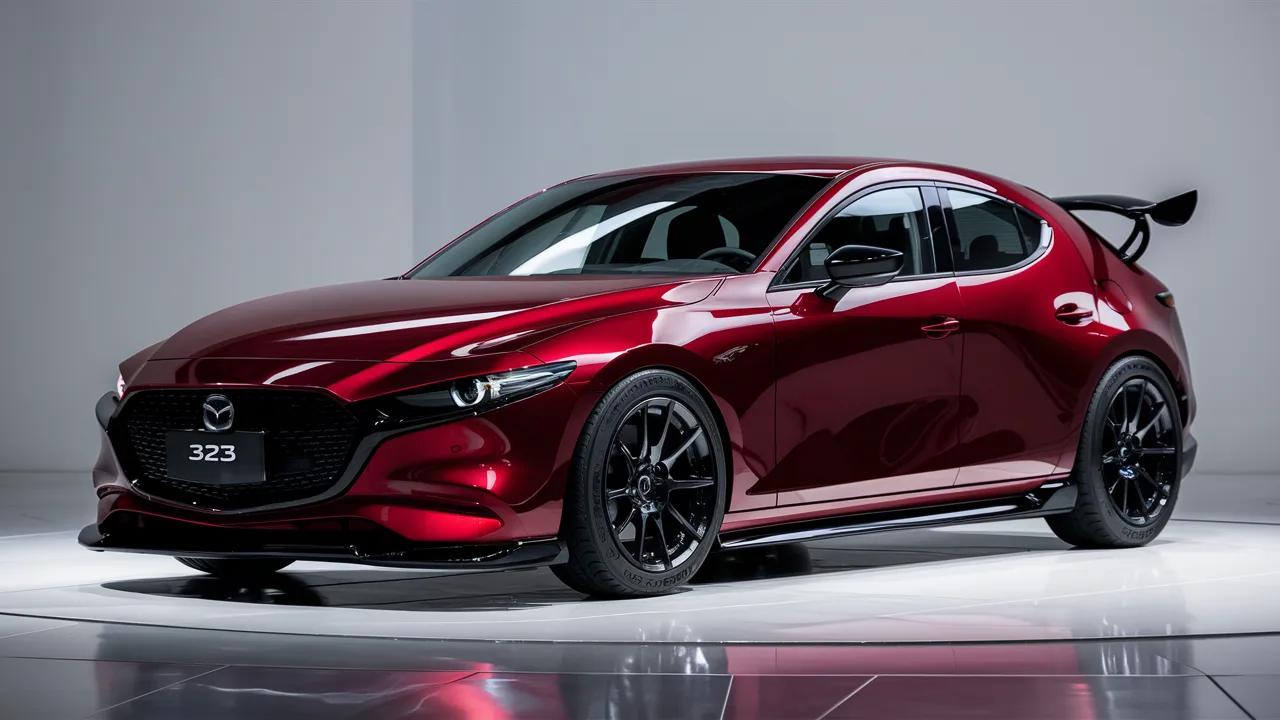
Mazda 323 – The Compact Car That Built Mazda’s Global Reputation
The Mazda 323 is one of the most important vehicles ever produced by Mazda Motor Corporation. Known for reliability, affordability, practicality, and sporty driving characteristics, the Mazda 323 played a major role in establishing Mazda as a respected global automotive brand.
Produced across several generations from the 1960s until the early 2000s, the Mazda 323 became popular in many countries thanks to its combination of fuel efficiency, dependable engineering, and enjoyable handling. Available in hatchback, sedan, wagon, and even performance-oriented versions, the 323 appealed to a wide range of drivers.
Even today, the Mazda 323 is remembered fondly by enthusiasts and everyday drivers alike for its durability and balanced design.
🚗 Origins and Development of the Mazda 323
The Mazda 323 was first introduced in the late 1970s as part of Mazda’s growing compact car lineup. In some markets, it was also known under names such as the Mazda Familia.
At the time, demand for compact and fuel-efficient vehicles was increasing globally due to rising fuel costs and changing consumer preferences.
Mazda’s goals for the 323 included:
- Affordable ownership
- Practical everyday transportation
- Reliable engineering
- Fuel efficiency
- Sporty driving feel compared to competitors
These qualities helped the car become successful in both developed and emerging automotive markets.
🌍 Global Popularity and Market Success
The Mazda 323 achieved worldwide popularity because it suited a variety of driving needs and environments.
Reasons for its success:
- Compact size for urban driving
- Low maintenance costs
- Excellent fuel economy
- Comfortable driving experience
- Long-term durability
The car became especially popular in:
- Europe
- Asia
- Australia
- Africa
- South America
Its simple and dependable engineering made it ideal for countries where affordability and reliability were highly valued.
🎨 Exterior Design Through the Generations
Over multiple generations, the Mazda 323 evolved significantly in terms of styling and design.
Early models featured:
- Simple boxy styling
- Compact dimensions
- Lightweight construction
Later generations introduced:
- More aerodynamic body shapes
- Rounded headlights and smoother lines
- Sportier hatchback styling
- Improved safety-focused design
By the 1990s, the 323 had developed a more modern appearance that aligned with global automotive trends.
🛋️ Interior Comfort and Practicality
The Mazda 323 focused on functionality and user-friendly design rather than luxury.
Interior highlights included:
- Simple dashboard layout
- Comfortable seating
- Good visibility
- Practical storage spaces
- Durable materials
While basic by modern standards, the cabin was considered comfortable and practical for daily driving.
Advantages of the interior:
- Easy-to-use controls
- Spacious cabin for a compact car
- Folding rear seats in hatchback versions
- Reliable interior components
Families and commuters appreciated the car’s practicality and ease of ownership.
⚙️ Engine Options and Mechanical Reliability
One of the Mazda 323’s greatest strengths was its dependable engine lineup.
Common engine options included:
- Small four-cylinder petrol engines
- Fuel-efficient diesel variants in some markets
- Twin-cam performance engines in sportier models
Performance characteristics:
- Smooth operation
- Reliable long-term durability
- Low fuel consumption
- Easy maintenance
Mazda’s engineering philosophy emphasized simplicity and reliability, which contributed greatly to the car’s reputation.
Many Mazda 323 models remained operational for decades with proper maintenance.
🏁 Sporty Variants and Enthusiast Appeal
Although the Mazda 323 was primarily designed as an economical compact car, some versions became highly respected among driving enthusiasts.
Performance-oriented models included:
- Mazda 323 GT
- Mazda 323 GTX
- Mazda 323 GTR
These versions featured:
- Turbocharged engines
- All-wheel-drive systems
- Rally-inspired engineering
- Sport suspension setups
The Mazda 323 GTR became particularly famous due to its rally heritage and strong performance capabilities.
🚙 Driving Experience – Lightweight and Engaging
One reason enthusiasts still admire the Mazda 323 is its driving feel.
Driving characteristics:
- Lightweight body design
- Responsive steering
- Good maneuverability
- Balanced handling
Unlike heavier modern vehicles, older 323 models often felt direct and engaging to drive.
The compact size also made the car ideal for:
- City driving
- Tight parking spaces
- Narrow roads
Even non-performance versions were enjoyable because of their simplicity and balanced chassis design.
⛽ Fuel Efficiency and Affordability
Fuel economy was one of the Mazda 323’s biggest selling points.
Benefits included:
- Efficient small-capacity engines
- Low running costs
- Affordable spare parts
- Reasonable insurance costs
This combination made the 323 especially attractive for:
- Students
- First-time car owners
- Families on a budget
- Daily commuters
Its affordability helped make it a truly global success.
🛠️ Durability and Maintenance Reputation
The Mazda 323 earned a strong reputation for reliability.
Known strengths:
- Long-lasting engines
- Simple mechanical systems
- Affordable repairs
- Easy access to spare parts
Because of its mechanical simplicity, many owners could perform basic maintenance themselves.
This reputation for durability remains one of the reasons why older Mazda 323 models are still seen on roads today.
⚔️ Competitors of the Mazda 323
The Mazda 323 competed in one of the world’s most competitive automotive segments.
Main rivals included:
- Toyota Corolla
- Honda Civic
- Nissan Sunny
- Ford Escort
Compared to competitors, the Mazda 323 often stood out for:
- Sportier handling
- Distinctive styling
- Strong reliability
- Competitive pricing
🌍 Legacy and Influence on Mazda’s Future
The success of the Mazda 323 helped shape Mazda’s future identity.
The car established Mazda’s reputation for:
- Driver-focused engineering
- Reliable compact vehicles
- Lightweight performance philosophy
Many ideas introduced in the 323 later influenced vehicles such as:
- Mazda3
- Mazda6
The Mazda3 is widely considered the spiritual successor to the Mazda 323.
✔️ Pros and Cons
✔️ Advantages:
- Excellent reliability
- Fuel-efficient engines
- Affordable ownership costs
- Fun and lightweight driving feel
- Strong global parts availability
❌ Disadvantages:
- Basic interior by modern standards
- Limited modern safety technology
- Some older models prone to rust
- Less powerful base engine options
🌟 Why Enthusiasts Still Love the Mazda 323
Today, the Mazda 323 enjoys cult status among many automotive enthusiasts.
Reasons include:
- Mechanical simplicity
- Retro styling appeal
- Lightweight chassis dynamics
- Reliability and longevity
- Rare turbocharged performance variants
Well-maintained performance versions, especially the GTX and GTR, are increasingly collectible.
🧾 Conclusion
The Mazda 323 remains one of the most significant vehicles in the history of Mazda Motor Corporation. Combining affordability, reliability, fuel efficiency, and enjoyable driving characteristics, the 323 became a global success that helped establish Mazda’s reputation worldwide.