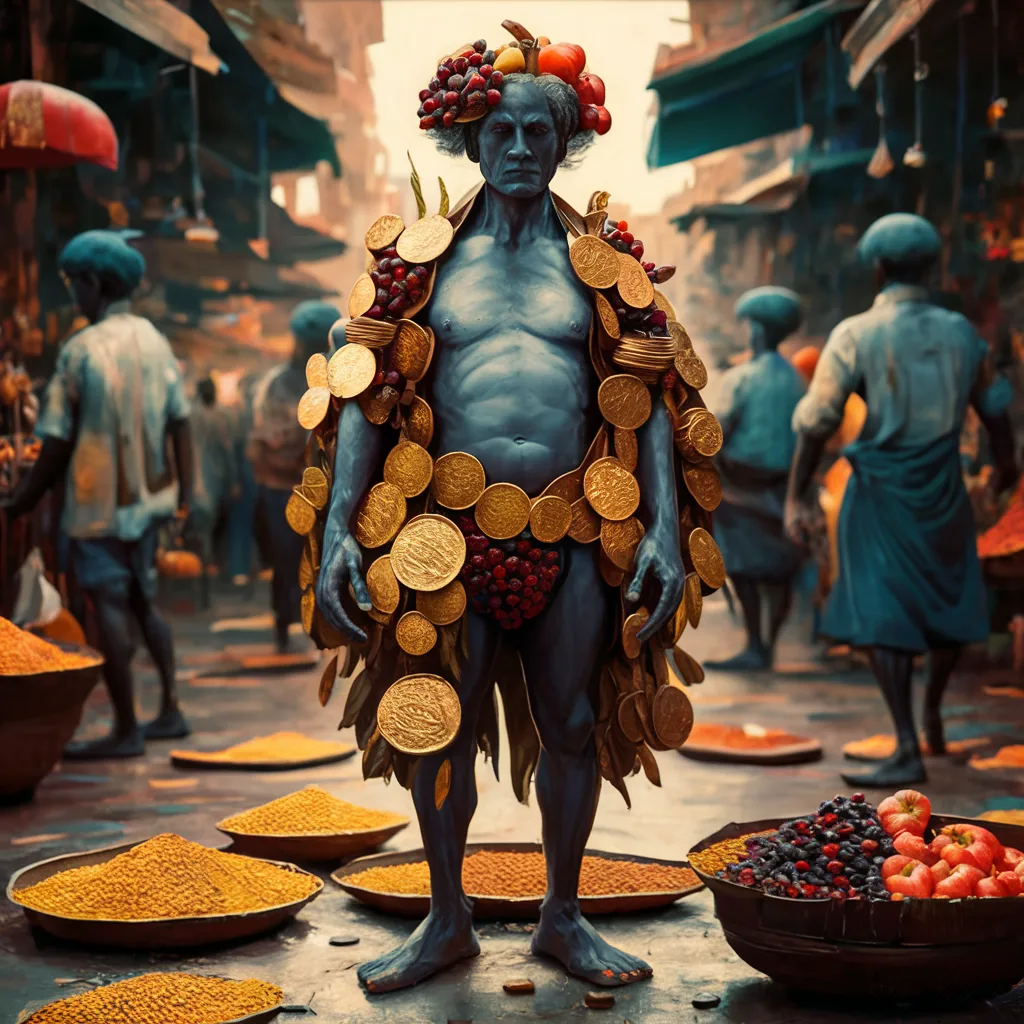
The Naked Trader – Understanding the Philosophy Behind Independent Stock Trading
The term “Naked Trader” has become widely recognized in the world of personal investing and independent stock trading. Often associated with simplified trading methods and disciplined market analysis, the concept reflects a style of investing that avoids unnecessary complexity while focusing on price movement, psychology, and risk management.
The phrase also became popular through Robbie Burns, a well-known independent trader and author of the book The Naked Trader. His approach to trading helped many beginner investors understand that successful market participation does not always require expensive systems, complicated mathematics, or institutional-level resources.
In today’s fast-moving financial environment, the philosophy of the Naked Trader continues attracting traders interested in practical, disciplined, and independent investing strategies.
📈 What Does “Naked Trader” Mean?
The term “naked” in trading generally refers to simplicity and transparency.
A Naked Trader often focuses on:
- Clear price action
- Simple chart analysis
- Independent decision-making
- Risk control
- Emotional discipline
Instead of relying heavily on complicated indicators or automated systems, this approach emphasizes understanding the market directly.
The philosophy encourages traders to:
- Think independently
- Avoid hype and emotional reactions
- Develop personal strategies
- Focus on long-term consistency rather than quick profits
This simplicity appeals to many people entering the stock market for the first time.
🌍 The Rise of Independent Trading
Over the past two decades, technology has transformed financial markets dramatically.
Online trading platforms now allow individuals to:
- Buy and sell stocks instantly
- Access global markets
- Study charts and financial data
- Learn trading strategies online
This accessibility created a new generation of retail traders.
Previously, investing was often associated with:
- Large institutions
- Professional brokers
- Wealthy investors
Today, ordinary individuals can participate directly in markets using smartphones and online brokerages.
The Naked Trader philosophy became popular partly because it aligned perfectly with this movement toward independent investing.
🧠 Psychology and Emotional Discipline
One of the most important lessons associated with Naked Trader principles is emotional control.
Financial markets are heavily influenced by:
- Fear
- Greed
- Excitement
- Panic
- Overconfidence
Successful traders understand that psychology often matters more than prediction.
Common emotional mistakes include:
- Buying during hype
- Selling during panic
- Taking excessive risks
- Ignoring stop losses
- Overtrading
The Naked Trader approach emphasizes staying calm, patient, and disciplined.
Rather than chasing every market movement, traders are encouraged to focus on:
- Consistent strategies
- Risk management
- Long-term thinking
📊 Simplicity in Market Analysis
Many beginner traders believe successful investing requires highly complex systems. However, the Naked Trader philosophy often argues the opposite.
Simple trading approaches may include:
- Trend analysis
- Support and resistance levels
- Volume observation
- Basic chart patterns
- Fundamental company research
The idea is not to remove analysis entirely but to avoid overwhelming complexity.
Too many indicators can sometimes create confusion rather than clarity.
A simpler system often helps traders:
- Make clearer decisions
- Reduce emotional stress
- Stay consistent over time
💰 Risk Management and Capital Protection
Risk management is one of the central pillars of successful trading.
Even professional traders experience losses regularly. What separates successful investors from unsuccessful ones is often how they manage risk.
Key risk management principles include:
- Limiting losses
- Diversifying investments
- Using stop-loss strategies
- Avoiding excessive leverage
- Protecting trading capital
The Naked Trader philosophy strongly emphasizes survival in the market.
Many beginners focus only on profits, but experienced traders understand that preserving capital is essential for long-term success.
📉 Understanding Market Cycles
Financial markets move in cycles.
These cycles are influenced by:
- Economic conditions
- Interest rates
- Investor sentiment
- Corporate performance
- Global events
A disciplined trader learns to recognize changing market conditions rather than blindly following trends.
The Naked Trader approach encourages traders to:
- Observe market behavior carefully
- Adapt strategies when conditions change
- Avoid emotional reactions to short-term volatility
Understanding cycles can help traders improve timing and reduce unnecessary risk.
💻 Technology and Modern Trading
Modern technology has dramatically changed trading culture.
Today’s traders have access to:
- Real-time market data
- Mobile trading apps
- AI-powered analysis tools
- Social trading communities
- Financial education platforms
While technology provides opportunities, it also creates new challenges.
Information overload can lead to:
- Emotional trading
- Constant market monitoring
- Impulsive decisions
- Strategy inconsistency
The Naked Trader philosophy remains relevant because it encourages simplicity and discipline despite increasing technological complexity.
📚 Education and Self-Learning
One major theme associated with independent trading is continuous learning.
Successful traders often study:
- Market psychology
- Historical price movements
- Company fundamentals
- Economic trends
- Risk management techniques
Books, online courses, and trading communities have made financial education more accessible than ever before.
However, experienced traders understand that no strategy guarantees success.
The market constantly changes, requiring traders to remain adaptable and disciplined.
🌐 Social Media and Trading Culture
Social media has created a new generation of retail investors.
Platforms such as:
- YouTube
- X (Twitter)
- TikTok
- Discord
now influence market behavior significantly.
Online communities can provide:
- Educational content
- Market ideas
- Trading discussions
- Investment inspiration
However, they can also create:
- Hype-driven speculation
- Fear of missing out (FOMO)
- Unrealistic expectations
The Naked Trader philosophy often warns against blindly following crowds and emphasizes independent thinking.
⚠️ Challenges of Retail Trading
While independent trading offers opportunities, it also carries significant risks.
Common challenges include:
- Emotional stress
- Financial losses
- Market unpredictability
- Overconfidence
- Lack of discipline
Many beginners underestimate how difficult consistent trading can be.
Successful trading usually requires:
- Patience
- Practice
- Risk control
- Realistic expectations
There are no guaranteed shortcuts to success in financial markets.
🚀 Long-Term Investing vs Short-Term Trading
The Naked Trader philosophy often combines elements of both investing and active trading.
Some traders focus on:
- Short-term market opportunities
- Swing trading strategies
- Momentum investing
Others prefer:
- Long-term stock ownership
- Dividend investing
- Growth-focused portfolios
The key principle is finding a strategy that matches:
- Personal risk tolerance
- Financial goals
- Emotional temperament
Consistency is usually more important than constant activity.
🌍 Why the Naked Trader Philosophy Remains Popular
The continued popularity of Naked Trader concepts comes from their practicality.
Many people appreciate approaches that:
- Avoid unnecessary complexity
- Emphasize discipline
- Focus on risk management
- Encourage independent thinking
In a world filled with financial hype and endless market predictions, simplicity can be refreshing.
The philosophy reminds traders that:
- Markets are uncertain
- Losses are normal
- Discipline matters more than excitement
- Long-term consistency is key
🧾 Conclusion
The concept of the Naked Trader represents more than just a trading strategy—it reflects a broader philosophy of simplicity, discipline, and independent thinking in financial markets. Popularized by Robbie Burns and his book The Naked Trader, the approach continues influencing modern retail investors around the world.