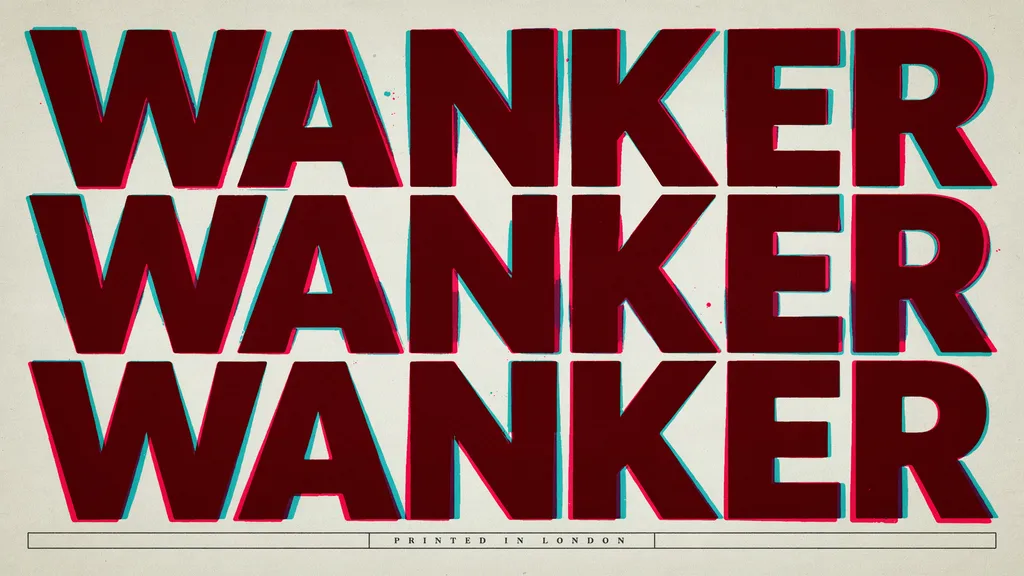
Wanker Wanker Wanker: Meaning, Origins, and Modern Usage Explained
Language is constantly evolving, and slang terms often become some of the most recognizable parts of everyday communication. One expression that has attracted attention over the years is “wanker.” Whether encountered in movies, television shows, online discussions, or casual conversations, the word has become a well-known piece of British slang that has spread to many parts of the world. The phrase “wanker wanker wanker” is sometimes used for emphasis, humor, or dramatic effect, making it even more noticeable in popular culture.
Understanding the meaning of slang words is important because language carries cultural context. Words can change meaning over time, develop new uses, and become embedded in different social situations. The term “wanker” is a prime example of how a slang expression can move beyond its original meaning and become a common insult or playful remark depending on the situation. This article explores the meaning of wanker, its origins, how it is used today, and why it continues to remain relevant in modern communication.
What Does Wanker Mean?
The word “wanker” is primarily a British slang term used as an insult. It is generally directed at someone who is perceived as foolish, annoying, arrogant, selfish, or unpleasant. In many contexts, it is similar to calling someone an idiot, jerk, or fool. The exact meaning often depends on the tone, setting, and relationship between the people involved in the conversation.
While the term originally had a more literal meaning associated with a vulgar expression, its everyday usage has largely shifted toward functioning as a general insult. Many people use the word without necessarily thinking about its original definition. Instead, it has become part of conversational slang, particularly in the United Kingdom and other English-speaking countries influenced by British culture.
The phrase “wanker wanker wanker” is usually employed for dramatic emphasis. Repeating the word multiple times can increase the emotional impact, create humor, or express strong frustration. In entertainment and online culture, repetition often makes the expression more memorable and attention-grabbing.
The Origins of the Word Wanker
The origins of the term can be traced back to British English. Linguists and language historians generally agree that the word developed from older slang expressions and gradually became established as an insult. During the twentieth century, the term became increasingly common throughout the United Kingdom and eventually entered mainstream culture through television, comedy, literature, and film.
British slang has always been known for its creativity and colorful expressions. Many slang words begin in specific regions or social groups before spreading nationally and internationally. Wanker followed a similar path. Over time, it moved from informal conversations into broader cultural usage, becoming recognizable even among people who are not native speakers of English.
Today, the word is widely understood in many countries. Exposure through media, internet culture, and global entertainment has contributed to its popularity. As a result, people around the world often recognize the term even if they do not use it regularly in their own conversations.
Wanker in Popular Culture
Popular culture has played a significant role in making the word widely known. British television programs, comedy sketches, movies, and music have frequently featured the expression. Characters often use the term to insult rivals, express frustration, or create comedic moments.
The internet has further accelerated the spread of the word. Social media platforms, forums, memes, and online discussions have introduced the term to audiences across different countries and age groups. Because internet communication often relies on humor and exaggeration, expressions like “wanker wanker wanker” can become memorable catchphrases that circulate widely.
In many cases, the popularity of the term comes from its versatility. It can be used seriously, jokingly, sarcastically, or playfully depending on the circumstances. This flexibility helps explain why the word has remained relevant despite changing language trends.
How the Word Is Used Today
Modern usage of the word varies significantly depending on context. Among friends, it may sometimes be used as light-hearted teasing. In more serious situations, however, it can function as a genuine insult. Understanding context is therefore essential when interpreting the term.
For example, someone might use the word to criticize arrogant behavior, poor decisions, or inconsiderate actions. The insult often focuses on personality traits rather than specific actions. In this way, it serves as a broad expression of disapproval.
The repeated phrase “wanker wanker wanker” is less common in formal conversation but may appear in humorous settings, online jokes, sports chants, or entertainment content. Repetition adds emphasis and can make the expression feel more dramatic or comedic.
Because language norms differ across cultures, reactions to the word can vary. Some people view it as mildly offensive, while others consider it stronger. Anyone using the term should be aware of their audience and the social context in which it is being used.
Why Slang Terms Become Popular
The success of words like wanker demonstrates how slang evolves within society. Slang often gains popularity because it provides expressive, memorable, and emotionally charged ways to communicate ideas. People frequently adopt slang terms to strengthen social connections, express identity, or add humor to conversations.
Several factors contribute to the popularity of slang:
- Media exposure through television and films.
- Online communication and social networking.
- Influence from celebrities and public figures.
- Cultural exchange between countries.
- The desire for creative and informal language.
When a slang word becomes widely recognized, it may eventually move beyond its original audience and enter mainstream vocabulary. Wanker represents a clear example of this process in action.
Cultural Significance of Wanker
Beyond its role as an insult, the word also reflects aspects of British culture and linguistic history. Many British slang terms have become internationally recognized because of the global influence of British entertainment and media. As audiences consume content from different countries, they often adopt unfamiliar expressions and incorporate them into their own vocabulary.
The word’s endurance highlights the power of language to adapt and evolve. Expressions that begin as niche slang can eventually become part of global conversations. This transformation demonstrates the dynamic nature of communication and the way cultural exchange shapes modern language.
The Future of Slang Expressions
As new generations develop their own forms of communication, slang continues to evolve. Some expressions disappear, while others remain relevant for decades. The longevity of wanker suggests that certain slang terms possess qualities that allow them to survive changing trends.
Digital communication is likely to continue influencing how slang spreads. Social media, streaming platforms, and online communities enable words to travel faster than ever before. As a result, expressions that were once limited to specific regions can quickly become recognized worldwide.
Whether used humorously, critically, or culturally, the word wanker remains an interesting example of how language changes over time and adapts to new environments.
Conclusion
The phrase “wanker wanker wanker” may appear simple, but it reflects a fascinating aspect of language and culture. Originating as British slang, the word has evolved into a widely recognized expression used in various contexts around the world. Its meaning has expanded beyond its original definition, allowing it to function as a general insult, a humorous remark, or a cultural reference.
The continued popularity of the term demonstrates how slang can cross borders, influence communication, and become embedded in popular culture. By understanding the history, meaning, and usage of words like wanker, we gain valuable insight into the ever-changing nature of language itself.
Frequently Asked Questions (FAQ)
What does wanker mean?
Wanker is a British slang term generally used as an insult for someone considered foolish, annoying, arrogant, or unpleasant.
Is wanker a British word?
Yes. The term originated in British English and remains strongly associated with British slang.
Why do people say “wanker wanker wanker”?
Repeating the word is often done for emphasis, humor, dramatic effect, or stronger expression of frustration.
Is wanker commonly used today?
Yes. The term is still widely recognized and appears in conversations, entertainment, social media, and online culture.
Is wanker considered offensive?
The level of offensiveness depends on context, audience, and cultural norms. Some people view it as mildly insulting, while others consider it stronger language.
How did the word become popular worldwide?
British television, films, music, internet culture, and global media exposure helped spread the term internationally.
Can wanker be used jokingly?
In some social groups, friends may use the term jokingly or playfully. However, it can also be used as a serious insult depending on the situation.