Mixed Emotion: Understanding Complex Feelings, Their Causes, and How to Manage Them
Human emotions are rarely simple. While people often describe feelings as either positive or negative, real-life emotional experiences are usually much more complex. One of the most fascinating aspects of psychology is the phenomenon known as mixed emotion. A mixed emotion occurs when a person experiences two or more different emotions at the same time. These feelings may complement each other or even seem to contradict one another, creating a unique emotional state that can be both confusing and meaningful.
Most people have experienced mixed emotions at some point in their lives. Graduating from school can bring excitement about the future and sadness about leaving friends behind. Moving to a new city may create enthusiasm for new opportunities while simultaneously causing anxiety about unfamiliar surroundings. Relationships, career changes, personal achievements, and major life transitions often generate emotional responses that cannot be easily categorized into a single feeling.
Understanding mixed emotions is important because they are a normal part of the human experience. Rather than indicating confusion or weakness, they often reflect emotional maturity and a deeper awareness of life’s complexities. This article explores the psychology behind mixed emotions, their causes, benefits, challenges, and practical ways to navigate them effectively.
What Is a Mixed Emotion?
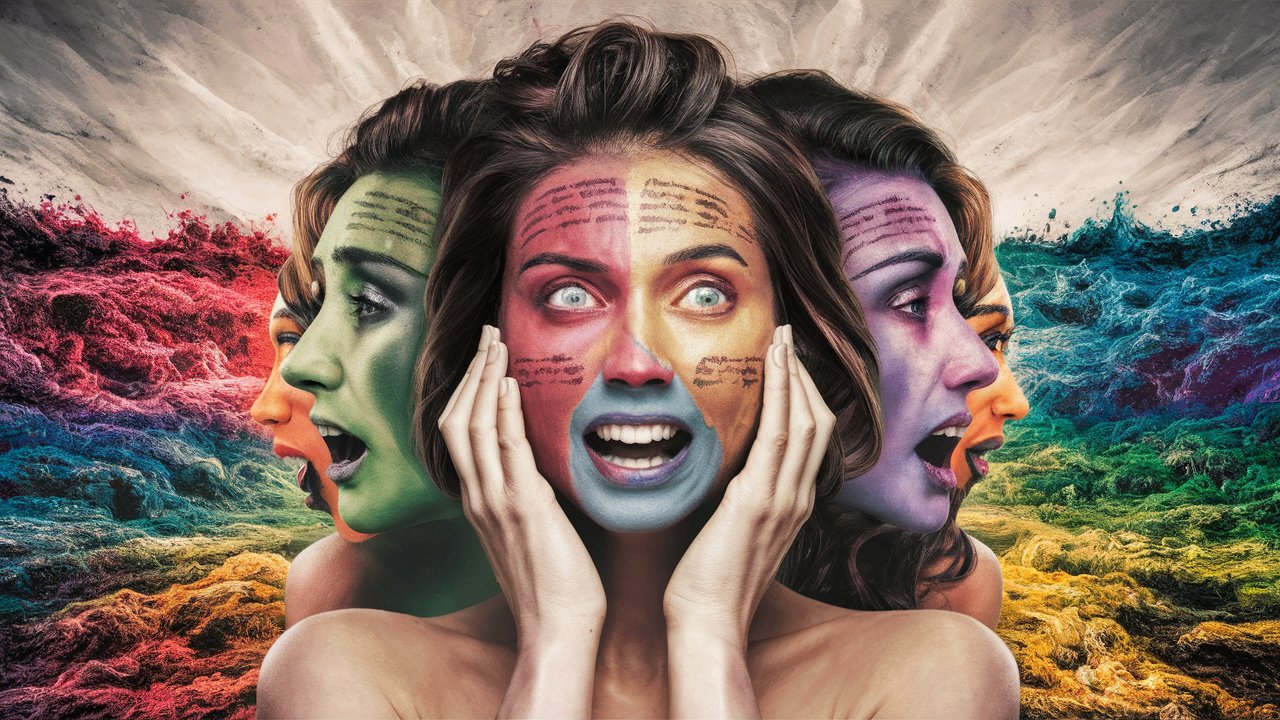
A mixed emotion refers to the experience of feeling multiple emotions simultaneously. Unlike simple emotional responses that involve one dominant feeling, mixed emotions combine different emotional states into a more nuanced experience.
For example, a parent watching a child leave for college may feel proud of the child’s achievements while also feeling sadness about the separation. Similarly, receiving a job promotion may create happiness about career advancement and stress about increased responsibilities.
Mixed emotions demonstrate that human feelings are not always mutually exclusive. People can experience joy and sorrow, hope and fear, excitement and uncertainty at the same time. This emotional complexity reflects the multifaceted nature of human life and decision-making.
Psychologists have increasingly recognized that mixed emotions are common and can play an important role in emotional development and psychological resilience.
The Psychology Behind Mixed Emotions
For many years, emotions were often viewed as opposites. Happiness and sadness, for example, were considered mutually exclusive states. Modern psychological research has challenged this idea by showing that people are capable of experiencing seemingly opposite emotions simultaneously.
The human brain processes emotions through multiple interconnected systems. Different experiences, memories, expectations, and personal values can activate various emotional responses at the same time. As a result, a single event may trigger multiple feelings that coexist within the same moment.
Mixed emotions often arise when situations contain both positive and negative elements. Because life experiences are rarely entirely good or entirely bad, emotional responses naturally become more complex. This complexity allows individuals to evaluate situations from multiple perspectives and make more balanced decisions.
Understanding that mixed emotions are normal can help reduce unnecessary self-judgment and encourage healthier emotional processing.
Common Situations That Create Mixed Emotions
Mixed emotions frequently occur during major life transitions. These transitions often involve change, uncertainty, and personal growth, all of which contribute to emotional complexity.
Graduation is a classic example. Students may feel excited about future opportunities while grieving the end of a familiar chapter in their lives. Similarly, retirement can bring freedom and relief alongside concerns about identity and purpose.
Relationships are another common source of mixed emotions. Falling in love may create happiness and vulnerability simultaneously. Ending a relationship can produce sadness, relief, disappointment, and hope all at once.
Career changes, moving to a new location, becoming a parent, achieving personal goals, and facing unexpected challenges can also generate conflicting emotional responses. These experiences highlight the richness and complexity of human emotions.
The Benefits of Experiencing Mixed Emotions
Although mixed emotions can sometimes feel uncomfortable, they offer several psychological benefits. One major advantage is increased emotional awareness. Individuals who recognize and accept complex feelings often develop a deeper understanding of themselves and their experiences.
Mixed emotions can also improve decision-making. By considering multiple emotional perspectives, people may avoid overly simplistic conclusions and make more thoughtful choices. Emotional complexity encourages reflection and helps individuals evaluate both opportunities and risks.
Another benefit is enhanced resilience. Life rarely unfolds according to a single emotional narrative. People who learn to tolerate and understand mixed emotions may become better equipped to handle uncertainty, disappointment, and change.
Research suggests that emotional flexibility is associated with psychological well-being. The ability to experience and process multiple emotions can contribute to personal growth and long-term mental health.
Challenges Associated with Mixed Emotions
Despite their benefits, mixed emotions can also present challenges. Many individuals feel confused when they experience conflicting feelings. They may wonder whether their emotions are valid or worry that they should feel only one way about a situation.
This confusion can sometimes lead to indecision. When emotions point in different directions, choosing a course of action may become more difficult. For example, someone considering a new job opportunity might feel excited about professional growth but anxious about leaving a comfortable environment.
Mixed emotions can also create temporary emotional discomfort. Balancing contradictory feelings requires mental effort and self-awareness. Without healthy coping strategies, individuals may attempt to suppress certain emotions rather than acknowledging the full complexity of their experience.
Learning to accept emotional complexity is often an important step toward greater emotional well-being.
Emotional Intelligence and Mixed Emotions
Emotional intelligence plays a crucial role in managing mixed emotions effectively. Emotional intelligence involves recognizing, understanding, and regulating emotions in oneself and others.
People with strong emotional intelligence tend to acknowledge conflicting feelings without immediately judging them. Instead of forcing themselves to choose one emotion over another, they recognize that multiple emotions can coexist naturally.
Developing emotional intelligence often involves practicing self-reflection, mindfulness, empathy, and effective communication. These skills can help individuals navigate emotional complexity with greater confidence and clarity.
By improving emotional intelligence, people can transform mixed emotions from sources of confusion into opportunities for insight and growth.
How to Manage Mixed Emotions
Managing mixed emotions begins with acceptance. Rather than viewing emotional complexity as a problem, it can be helpful to recognize it as a normal part of being human.
Journaling is one effective strategy. Writing about emotions allows individuals to explore different feelings and identify their underlying causes. This process can provide clarity and reduce emotional overwhelm.
Mindfulness practices can also help. By observing emotions without judgment, individuals can create space for multiple feelings to exist simultaneously. This approach encourages emotional awareness and reduces the tendency to suppress uncomfortable emotions.
Talking with trusted friends, family members, or mental health professionals can provide additional perspective. Sharing emotional experiences often helps individuals feel understood and supported.
Finally, patience is important. Mixed emotions often evolve over time as situations develop and new information becomes available.
Mixed Emotions in Modern Society
Modern life presents countless situations that encourage emotional complexity. Social media, rapid technological change, global events, and evolving social expectations contribute to increasingly nuanced emotional experiences.
People today frequently encounter situations that challenge traditional emotional categories. Success may come with pressure. Freedom may bring uncertainty. Connectivity may coexist with loneliness. These realities make mixed emotions more relevant than ever.
Understanding emotional complexity can help individuals navigate modern life more effectively. By embracing rather than resisting mixed emotions, people can develop greater self-awareness and emotional resilience.
Conclusion
Mixed emotion is a powerful reminder that human feelings are rarely simple. Experiencing happiness and sadness, hope and fear, excitement and uncertainty at the same time is not unusual—it is a natural reflection of life’s complexity. Mixed emotions arise because people care deeply about their experiences, relationships, goals, and values.
Rather than viewing conflicting feelings as a problem, individuals can learn to see them as valuable sources of insight. Emotional complexity encourages reflection, supports better decision-making, and contributes to personal growth. By developing emotional intelligence and practicing healthy coping strategies, people can navigate mixed emotions with greater confidence and understanding.
Ultimately, mixed emotions reveal the richness of human experience. They remind us that life cannot always be divided into simple categories and that our emotional responses often reflect the depth of our connection to the world around us.
Frequently Asked Questions (FAQ)
What is a mixed emotion?
A mixed emotion occurs when a person experiences two or more emotions simultaneously, often including feelings that seem contradictory.
Are mixed emotions normal?
Yes. Mixed emotions are a common part of human experience and often occur during important life events and transitions.
Why do people experience mixed emotions?
People experience mixed emotions because many situations contain both positive and negative aspects, triggering multiple emotional responses.