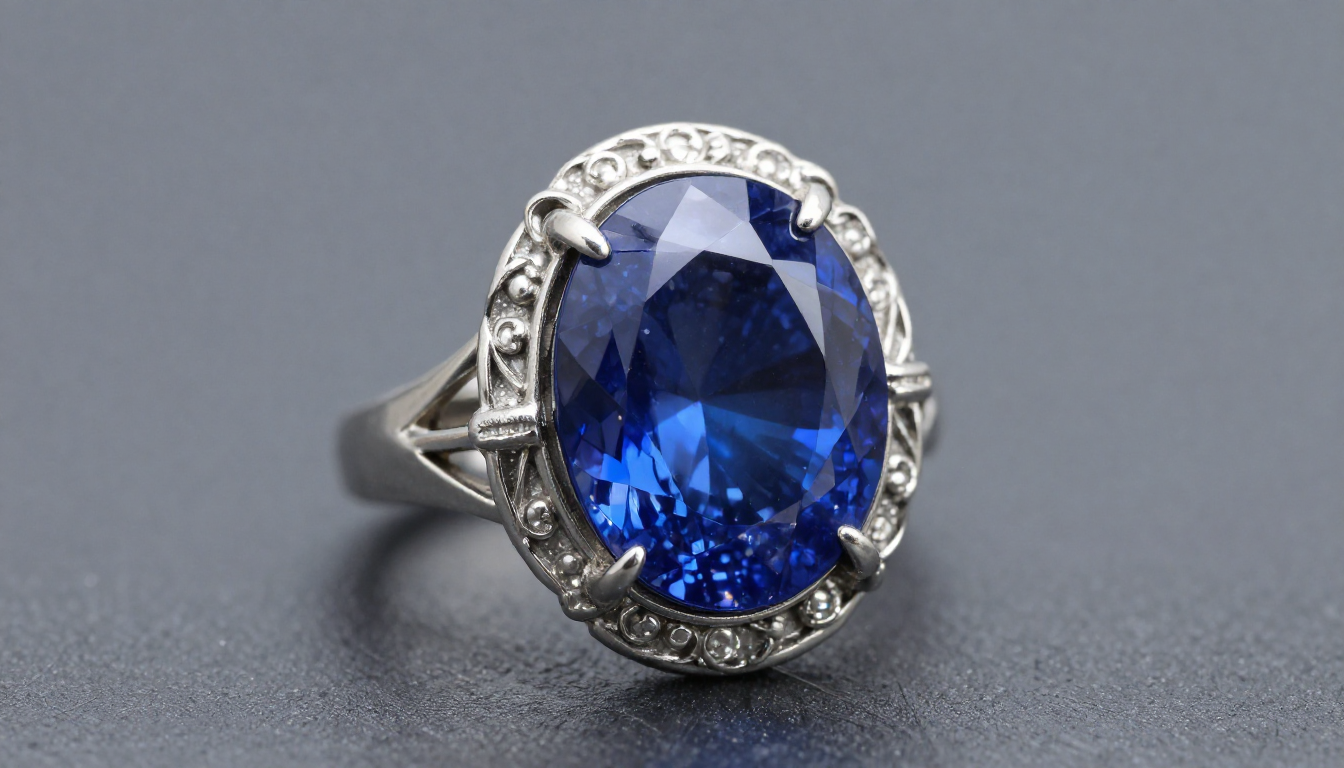
Sapphire: The Timeless Gem of Beauty, Power, and Luxury
Sapphire: The Ultimate Guide to Its Beauty, History, and Value
Sapphire has fascinated people for thousands of years with its deep colors, natural brilliance, and connection to royalty, spirituality, and luxury. Known as one of the most valuable gemstones in the world, sapphire represents elegance, wisdom, loyalty, and timeless beauty. While many people imagine sapphire as a classic blue gemstone, it actually exists in a wide range of colors, including pink, yellow, green, purple, and even rare color-changing varieties.
From ancient civilizations to modern engagement rings, sapphire has remained a symbol of sophistication and personal expression. Its exceptional hardness makes it suitable for everyday jewelry, while its unique colors allow collectors and jewelry lovers to find stones that match their individual style. Whether you are interested in buying sapphire jewelry, learning about gemstone history, or understanding what makes this stone valuable, this guide explains everything you need to know.
What Is Sapphire and Why Is It So Valuable?
Sapphire is a precious gemstone variety of the mineral corundum, which is made primarily of aluminum oxide. The same mineral family also includes ruby, another famous gemstone. The main difference between sapphire and ruby comes from their color. Red corundum is called ruby, while all other colors are generally classified as sapphire.
The popularity of sapphire comes from a combination of beauty, rarity, and durability. On the Mohs hardness scale, sapphire ranks at 9, making it the second hardest natural gemstone after diamond. This strength allows sapphire jewelry to resist scratches and maintain its shine for generations.
The value of a sapphire depends on several important factors. Color is one of the biggest influences. A vivid, rich blue sapphire with excellent clarity and strong saturation is usually considered highly valuable. However, unusual colors such as pink, orange, and padparadscha sapphires can also command exceptional prices because of their rarity.
Another reason sapphire remains popular is its long history. Ancient cultures believed sapphire carried protective powers and represented honesty, wisdom, and divine connection. Today, many people choose sapphire not only for its appearance but also for its deeper symbolism and emotional meaning.
The History and Cultural Importance of Sapphire
Sapphire has a long and fascinating history that stretches back thousands of years. Ancient civilizations valued this gemstone for its beauty and believed it had special spiritual qualities. In many cultures, sapphire was connected with purity, protection, and wisdom.
During medieval times, European royalty and religious leaders often wore sapphire jewelry because they believed the stone represented heaven and divine blessings. Kings and queens used sapphire rings, necklaces, and crowns as symbols of power and authority.
One of the most famous examples of sapphire’s royal connection is its presence in royal engagement jewelry. The deep blue gemstone became widely recognized as a symbol of romance, commitment, and elegance. This tradition helped increase sapphire’s popularity among couples looking for unique alternatives to traditional diamond rings.
In modern times, sapphire continues to appear in luxury jewelry collections, celebrity fashion, and important historical pieces. Its combination of tradition and modern appeal keeps it among the world’s most admired gemstones.
Different Types and Colors of Sapphire
Many people associate sapphire only with blue, but this gemstone appears in many natural colors. The variety of shades makes sapphire one of the most versatile gemstones available today.
Blue sapphire is the most famous and traditional type. Its color can range from light blue to deep royal blue. The most desirable blue sapphires usually have a strong, balanced color without appearing too dark or too pale.
Pink sapphire has gained popularity because of its romantic and feminine appearance. These gemstones range from soft pastel pink to intense vibrant shades. They are often chosen for engagement rings and modern jewelry designs.
Yellow sapphire is another popular variety. It is associated with warmth, positivity, and elegance. Many people appreciate yellow sapphire because it offers a bright alternative to traditional blue gemstones.
Padparadscha sapphire is one of the rarest and most valuable varieties. It features a unique combination of pink and orange tones that resemble a tropical sunset. Due to its rarity and distinctive appearance, high-quality padparadscha sapphire can reach impressive prices.
Other sapphire colors include green, purple, white, and color-changing varieties. Each type has its own personality, making sapphire suitable for many different tastes and styles.
How Sapphire Quality Is Determined
Understanding sapphire quality helps buyers make better decisions when choosing gemstone jewelry. Experts usually evaluate sapphire based on the four major factors: color, clarity, cut, and carat weight.
Color is often the most important factor. A high-quality sapphire should display a beautiful and evenly distributed color. For blue sapphires, a rich blue tone with strong brightness is usually preferred.
Clarity refers to the presence of internal features called inclusions. Unlike diamonds, sapphires naturally contain inclusions, and some inclusions can help prove that a gemstone is genuine. However, stones with fewer visible imperfections generally have higher value.
The cut affects how light interacts with the gemstone. A skilled cutter can enhance sapphire’s brightness, color, and overall appearance. Poor cutting can make even a valuable sapphire appear dull.
Carat weight measures the size of the gemstone. Larger sapphires with excellent color and clarity are much rarer, which often increases their market value.
Certification also plays an important role when purchasing expensive sapphire. Professional gemstone laboratories can provide information about authenticity, treatments, and quality characteristics.
Natural Sapphire vs Lab Created Sapphire
When shopping for sapphire, buyers often compare natural and lab-created options. Both types have similar chemical compositions and physical properties, but their origins are different.
Natural sapphire forms deep within the Earth over millions of years through geological processes. Because natural gemstones require rare conditions to develop, they often carry higher value, especially when they have exceptional color and clarity.
Lab-created sapphire is produced in controlled environments using advanced technology. These gemstones have the same mineral structure as natural sapphire but are created much faster. They are often more affordable and provide an accessible option for people who want the appearance of sapphire without the higher cost.
Choosing between natural and lab-created sapphire depends on personal preferences, budget, and the importance of gemstone origin. Some buyers appreciate the uniqueness and history of natural stones, while others prefer the affordability and ethical appeal of lab-created alternatives.
Sapphire Jewelry and Popular Uses
Sapphire has remained a favorite choice for jewelry designers because of its beauty and durability. It can be used in rings, earrings, necklaces, bracelets, and luxury accessories.
Sapphire engagement rings have become especially popular among couples who want something different from traditional diamond designs. The gemstone’s symbolism of loyalty and lasting commitment makes it meaningful for romantic jewelry.
Blue sapphire rings create a classic and elegant appearance, while pink and yellow sapphire designs offer a more modern style. Many jewelers combine sapphire with diamonds or other gemstones to create unique and eye-catching pieces.
Because sapphire is highly durable, it is suitable for everyday wear. A properly cared-for sapphire ring can remain beautiful for decades and may even become a treasured family heirloom passed through generations.
Beyond jewelry, sapphire also has industrial uses. Synthetic sapphire is valued for its strength and transparency, making it useful in specialized applications such as watch crystals, scientific equipment, and advanced technology components.
How to Care for Sapphire Jewelry
Although sapphire is a durable gemstone, proper care helps maintain its beauty and shine. Regular cleaning removes dirt, oils, and everyday buildup that can reduce brilliance.
Most sapphire jewelry can be cleaned with warm water, mild soap, and a soft brush. Gentle cleaning helps preserve the gemstone’s appearance without causing damage.
It is also recommended to store sapphire jewelry separately from softer gemstones. While sapphire can resist scratches, it can potentially scratch other materials placed nearby.
Avoid exposing sapphire jewelry to harsh chemicals or extreme conditions. Removing rings and bracelets before using strong cleaning products or participating in activities that may cause impact can help protect the setting and gemstone.
Professional jewelry inspections are also useful. A jeweler can check the gemstone setting, tighten loose parts, and ensure the piece remains secure.
Why Sapphire Remains a Timeless Gemstone Choice
Sapphire continues to hold a special place in the world of gemstones because it combines beauty, strength, history, and meaning. Its wide range of colors allows people to choose a stone that reflects their personality, while its durability makes it practical for everyday jewelry.
From ancient legends to modern fashion, sapphire has maintained its reputation as a gemstone of elegance and sophistication. Whether selected for an engagement ring, a personal collection, or a meaningful gift, sapphire represents qualities that remain valuable across generations.
The lasting appeal of sapphire comes from more than its appearance. It carries stories, traditions, and emotions that make every gemstone feel unique. For anyone searching for a precious stone that offers both luxury and symbolism, sapphire remains one of the most remarkable choices in the world of fine gemstones.