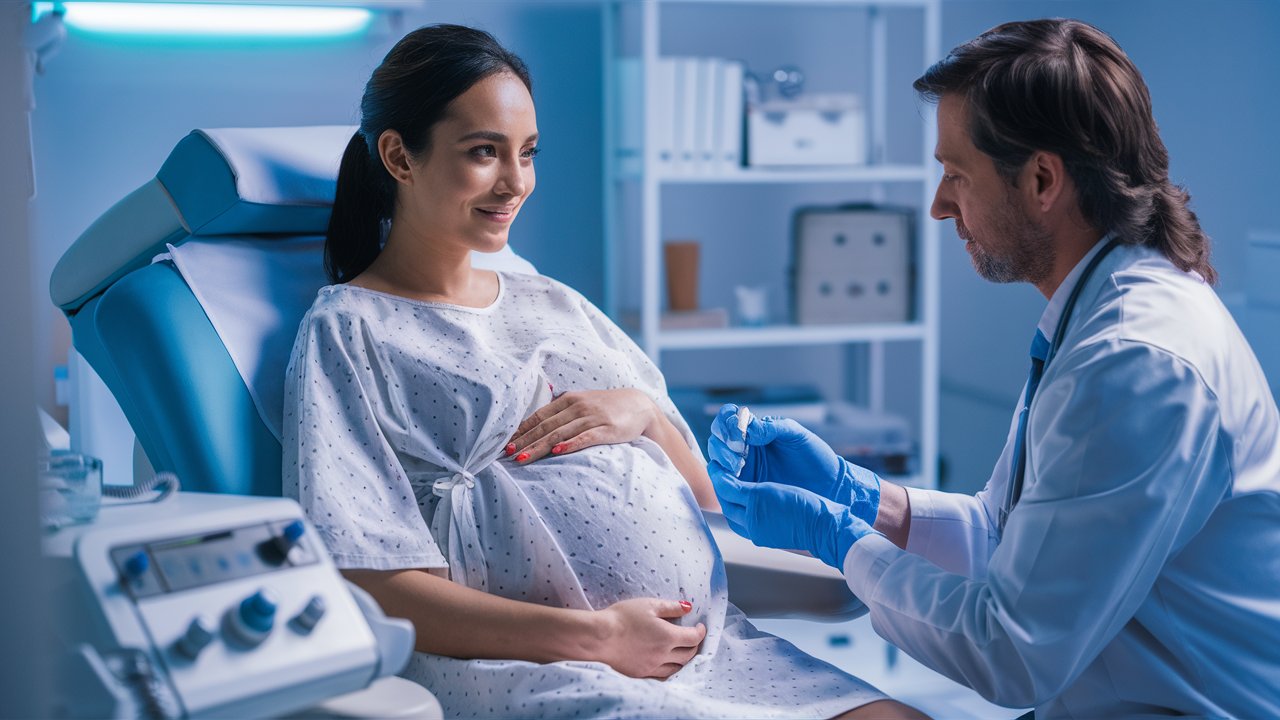
What Is Obstetrika? Complete Guide to Pregnancy and Maternal Care
Pregnancy and childbirth are among the most important stages in human life, requiring careful medical attention and professional care. Across the world, specialized fields of medicine are dedicated to supporting women during pregnancy, delivery, and postnatal recovery. One such term often encountered in medical discussions and online searches is “obstetrika.”
The word Obstetrika is closely connected to obstetrics, which is the branch of medicine focused on pregnancy, childbirth, and postpartum care. While the spelling “obstetrika” may vary across languages or regions, it generally refers to the same medical field that ensures the health and safety of both mother and baby during the entire pregnancy journey.
This article explains what Obstetrika means, how it relates to maternal healthcare, the role of doctors in this field, and why it is an essential part of modern medicine.
What Is Obstetrika?
Obstetrika refers to the medical care and science related to pregnancy, childbirth, and the postnatal period.
It is closely related to obstetrics, which is a branch of medicine that deals with:
- pregnancy monitoring
- childbirth assistance
- prenatal care
- postnatal recovery
- maternal and fetal health
In simple terms, Obstetrika is the system of care that supports women from early pregnancy to after delivery.
Meaning of Obstetrika in Medical Terms
In medical language, Obstetrika is associated with:
- women’s reproductive health
- pregnancy management
- safe childbirth practices
- prevention of pregnancy complications
Doctors specializing in this field are trained to ensure both mother and baby remain healthy throughout the pregnancy process.
Why Obstetrika Is Important
Obstetrika plays a critical role in healthcare because pregnancy involves many physical and hormonal changes. Proper medical care helps reduce risks and ensures safe delivery.
It is important because it helps:
- monitor fetal development
- detect complications early
- manage maternal health conditions
- guide safe delivery methods
- support recovery after childbirth
Without proper obstetrical care, pregnancy risks can increase significantly.
Role of Obstetrika Doctors
Doctors working in Obstetrika (often called obstetricians) specialize in pregnancy care.
Their responsibilities include:
- regular pregnancy checkups
- ultrasound monitoring
- blood tests and health screening
- managing labor and delivery
- emergency care during complications
They work closely with nurses and midwives to ensure safe outcomes for both mother and child.
Stages of Care in Obstetrika
Obstetrika care is divided into three main stages:
The first stage is prenatal care, which includes early pregnancy monitoring and health guidance.
The second stage is delivery care, where doctors assist during labor and childbirth.
The third stage is postnatal care, which focuses on recovery and newborn health.
Each stage is essential for a safe pregnancy journey.
Common Tests in Obstetrika Care
During pregnancy, several medical tests are used to monitor health:
- ultrasound scans
- blood pressure checks
- blood tests
- urine tests
- fetal heart monitoring
These tests help detect any early warning signs of complications.
Obstetrika and Maternal Health
Maternal health is a major part of Obstetrika. It focuses on keeping mothers healthy before, during, and after pregnancy.
This includes:
- nutritional guidance
- physical health monitoring
- mental health support
- safe delivery planning
Good maternal health care reduces risks for both mother and baby.
Modern Advances in Obstetrika
Modern medicine has greatly improved Obstetrika through technology and research.
Some advancements include:
- high-resolution ultrasound imaging
- safer surgical delivery techniques
- improved prenatal screening tests
- better neonatal care units
These improvements have significantly reduced pregnancy-related complications worldwide.
Obstetrika and Safe Delivery Practices
Safe delivery is one of the most important goals in Obstetrika.
Doctors ensure safety by:
- monitoring labor progress
- managing pain during childbirth
- handling emergencies like cesarean sections
- ensuring newborn care immediately after birth
This helps reduce risks during delivery.
Postnatal Care in Obstetrika
After childbirth, care continues for both mother and baby.
Postnatal care includes:
- recovery monitoring for the mother
- breastfeeding support
- newborn health checks
- emotional and physical support
This stage is important for long-term health.
Obstetrika in Modern Healthcare Systems
Today, Obstetrika is a core part of hospitals and healthcare systems worldwide.
It is integrated with:
- gynecology departments
- pediatric care units
- surgical teams
- emergency medical services
This ensures complete care for women during pregnancy.
Conclusion
Obstetrika is a vital field of medicine focused on pregnancy, childbirth, and maternal health. It ensures that women receive proper medical care during one of the most important phases of life. From prenatal monitoring to safe delivery and postnatal recovery, Obstetrika supports both mother and child through every stage of pregnancy. With modern medical advancements, this field continues to improve safety, reduce risks, and provide better healthcare outcomes. Understanding Obstetrika helps people appreciate the importance of professional medical care in ensuring healthy pregnancies and safe childbirth experiences.
FAQ
1. What is Obstetrika?
Obstetrika refers to medical care related to pregnancy, childbirth, and maternal health.
2. Is Obstetrika the same as obstetrics?
Yes, it is closely related and often used as a variation of the term obstetrics.
3. What does an Obstetrika doctor do?
They monitor pregnancy, assist in childbirth, and provide postnatal care.
4. Why is Obstetrika important?
It ensures safe pregnancy, reduces complications, and supports maternal and baby health.
5. When should someone visit an Obstetrika specialist?
A woman should visit as soon as pregnancy is confirmed for proper monitoring and care.