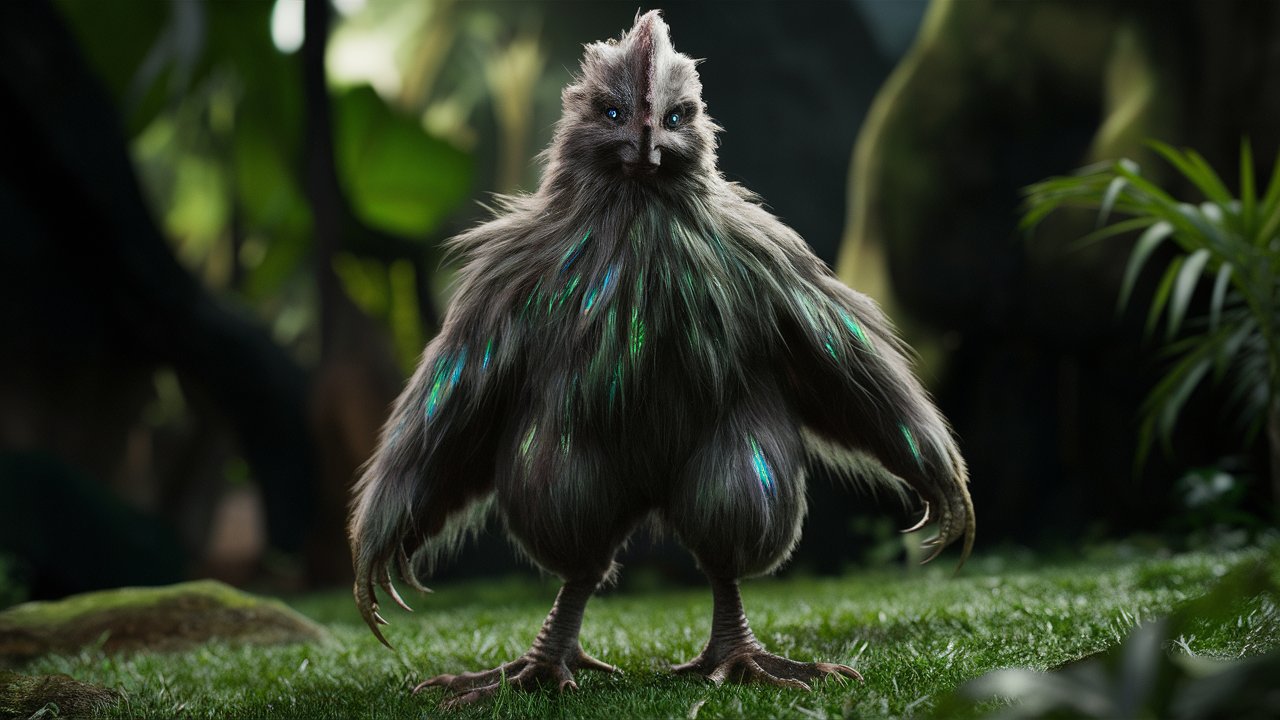
Fur Hen: Meaning, Origins, Characteristics, and Cultural Significance
The term fur hen is an interesting phrase that can spark curiosity among readers, animal enthusiasts, and researchers alike. While the words “fur” and “hen” are typically associated with very different types of animals, the phrase itself has appeared in various contexts, including regional language, folklore, wildlife discussions, and even descriptive terminology. Because of its unusual combination of words, many people search for information about fur hen to understand its meaning, origins, and significance.
Language often evolves through local traditions, cultural practices, and observations of nature. As a result, phrases such as fur hen can develop multiple meanings depending on the context in which they are used. In some regions, the term may refer to specific birds known for their fluffy appearance, while in other contexts it may appear in folklore, hunting traditions, or historical descriptions of wildlife.
This article explores the meaning of fur hen, its possible origins, characteristics commonly associated with the term, cultural relevance, and its role in discussions about birds and wildlife. By understanding the background of this unique phrase, readers can gain a deeper appreciation for the fascinating ways language and nature intersect.
What Is a Fur Hen?
The phrase “fur hen” is not a formal scientific classification but rather a descriptive term that has been used in different ways over time. In many cases, it refers to birds that possess soft, fluffy, or fur-like feathers, creating an appearance that resembles fur rather than traditional plumage.
Birds rely on feathers for insulation, flight, communication, and protection from environmental conditions. Certain species develop especially dense or soft feathering that may appear similar to animal fur when viewed from a distance. This visual similarity may explain why the term fur hen emerged in some local traditions and descriptions.
In broader discussions, fur hen can also be interpreted as a symbolic or colloquial expression rather than a specific species name. This flexibility contributes to the continued curiosity surrounding the term.
The Difference Between Fur and Feathers
To understand the concept of a fur hen, it is important to distinguish between fur and feathers. Fur is a characteristic feature of mammals and consists of hair-like strands that grow from the skin. Feathers, on the other hand, are specialized structures unique to birds.
Although fur and feathers serve similar functions such as insulation and protection, they are biologically distinct. Feathers possess complex structures designed to support flight, regulate temperature, and assist with communication among birds.
Some birds have feathers that are exceptionally soft and fluffy. Down feathers, for example, provide insulation and create a texture that many people describe as fur-like. This characteristic likely contributes to the association between certain birds and the phrase fur hen.
Birds Commonly Associated with Fur-Like Feathers
Several bird species exhibit plumage that may inspire the term fur hen. These birds are often admired for their soft appearance and unique feather structures.
Silkie chickens are among the most famous examples. Unlike traditional chickens, Silkies possess feathers that lack the typical structure required for flight. Instead, their plumage appears fluffy and resembles fur. Their distinctive appearance has made them popular among poultry enthusiasts worldwide.
Certain species of grouse, ptarmigans, and young waterfowl also develop exceptionally soft feathers that provide insulation in cold environments. These birds may appear fur-like during specific stages of development or seasonal changes.
The diversity of feather structures across bird species demonstrates how nature can produce remarkable visual effects that blur the line between familiar categories.
Historical References to Fur Hen
Historical references to fur hen vary depending on region and context. In some rural communities, unusual bird appearances often inspired descriptive names based on visual characteristics rather than scientific classifications.
People living close to nature frequently created local names for animals based on observable features. Birds with especially fluffy plumage may have been referred to as fur hens because the term effectively communicated their appearance to others within the community.
Historical wildlife records occasionally contain regional terminology that differs significantly from modern scientific language. These local expressions provide valuable insights into cultural relationships with nature and the ways people interpreted wildlife before standardized naming systems became widespread.
Fur Hen in Folklore and Tradition
Folklore often incorporates unusual animal descriptions, symbolic creatures, and imaginative terminology. The phrase fur hen may appear in local stories, traditional sayings, or regional folklore where animals take on symbolic meanings.
Birds frequently serve as symbols of freedom, wisdom, fertility, and transformation in cultural traditions around the world. A bird described as a fur hen might represent uniqueness, rarity, or adaptation due to its unusual appearance.
Folklore demonstrates how human imagination interacts with observations of nature. Even when a term lacks a strict scientific definition, it can hold cultural significance through storytelling and tradition.
The Importance of Feather Adaptations
The concept of a fur hen highlights the remarkable adaptability of birds. Feather structures have evolved to support survival in diverse environments ranging from tropical forests to Arctic regions.
Dense feathering helps birds maintain body temperature during cold weather. Soft down feathers trap air close to the body, creating an insulating layer that reduces heat loss. This adaptation is essential for many species living in harsh climates.
Some birds also use specialized feather arrangements for camouflage, mating displays, and protection. The extraordinary variety of feather types demonstrates the complexity of avian evolution and adaptation.
Understanding these adaptations helps explain why certain birds may appear fur-like and why descriptive terms such as fur hen continue to attract interest.
Fur Hen and Modern Interest in Unique Birds
Modern audiences remain fascinated by unusual bird species and distinctive animal characteristics. Social media platforms, wildlife documentaries, and photography have increased public awareness of birds with remarkable appearances.
Fluffy chickens, ornamental poultry breeds, and rare bird species often gain attention due to their unique visual traits. Their popularity reflects a broader appreciation for biodiversity and the incredible variety found within the animal kingdom.
As interest in wildlife education grows, descriptive terms such as fur hen may continue to inspire curiosity and encourage people to learn more about birds and their adaptations.
Conservation and Appreciation of Bird Diversity
One of the most valuable lessons associated with the concept of a fur hen is the importance of appreciating biodiversity. Birds play essential roles in ecosystems as pollinators, seed dispersers, insect controllers, and indicators of environmental health.
Protecting bird habitats contributes to ecological stability and helps preserve the diversity of species that make the natural world so fascinating. Whether discussing common birds or unusual feathered species, conservation efforts support the long-term health of wildlife populations.
Public interest in unique birds can also promote environmental awareness and encourage conservation initiatives.
Why Fur Hen Continues to Spark Curiosity
The enduring appeal of the term fur hen lies in its mystery and visual imagery. Combining two seemingly unrelated concepts creates a memorable phrase that encourages exploration and discussion.
People are naturally drawn to unusual animal characteristics and intriguing language. Fur hen captures both elements by suggesting a bird with mammal-like qualities, even though the reality is rooted in feather structure and appearance.
As language evolves and interest in wildlife continues, unique expressions such as fur hen will likely remain subjects of curiosity and interpretation.
Conclusion
Fur hen is a fascinating term that highlights the relationship between language, observation, and nature. While it is not a formal scientific classification, it serves as a descriptive expression that reflects the appearance of birds with exceptionally soft or fluffy feathers. The phrase may also carry cultural, historical, and symbolic significance depending on the context in which it is used.
From fluffy poultry breeds and feather adaptations to folklore and wildlife appreciation, the concept of a fur hen demonstrates the remarkable diversity of the avian world. Its continued popularity reflects humanity’s enduring fascination with unusual animals and the creative ways people describe the natural environment.
Whether viewed through the lens of biology, history, or culture, fur hen remains an intriguing phrase that encourages curiosity, learning, and appreciation for the wonders of nature.
Frequently Asked Questions (FAQ)
What does fur hen mean?
Fur hen is generally a descriptive term used for birds that appear to have soft, fur-like feathers.
Is a fur hen a real bird species?
No, fur hen is not a formal scientific species name. It is typically a descriptive or colloquial expression.
Why do some birds look like they have fur?
Certain birds possess exceptionally soft or fluffy feathers that create a fur-like appearance.
What bird is most commonly associated with the term fur hen?
Silkie chickens are often associated with the concept because of their distinctive fluffy plumage.
Are feathers and fur the same thing?
No. Feathers are unique to birds, while fur is a characteristic feature of mammals.
Why are fluffy feathers important for birds?
Soft feathers help provide insulation, maintain body temperature, and support survival in different environments.