Land Rover Freelander 2 – The SUV That Combined Luxury with Off-Road Capability
The Land Rover Freelander 2 is one of the most important vehicles ever produced by Land Rover. Introduced in 2006 as the successor to the original Freelander, the Freelander 2 represented a major improvement in quality, comfort, performance, and reliability. It quickly became one of the most popular compact premium SUVs in Europe and other international markets.
Known for its refined driving experience and genuine off-road ability, the Freelander 2 successfully blended urban practicality with traditional Land Rover ruggedness. Even years after production ended, the vehicle continues to enjoy a strong reputation among SUV enthusiasts and used-car buyers.
The Evolution of the Freelander
The original Land Rover Freelander was launched in the late 1990s and became popular because it offered Land Rover styling and off-road capability in a smaller package. However, the first generation had several reliability and refinement issues.
When the Freelander 2 arrived in 2006, Land Rover completely redesigned the vehicle.
Major improvements included:
- Better build quality
- More advanced technology
- Improved safety features
- Stronger engines
- Greater comfort and refinement
The Freelander 2 was designed to compete with premium compact SUVs while still preserving Land Rover’s off-road heritage.
Exterior Design – Rugged Yet Elegant
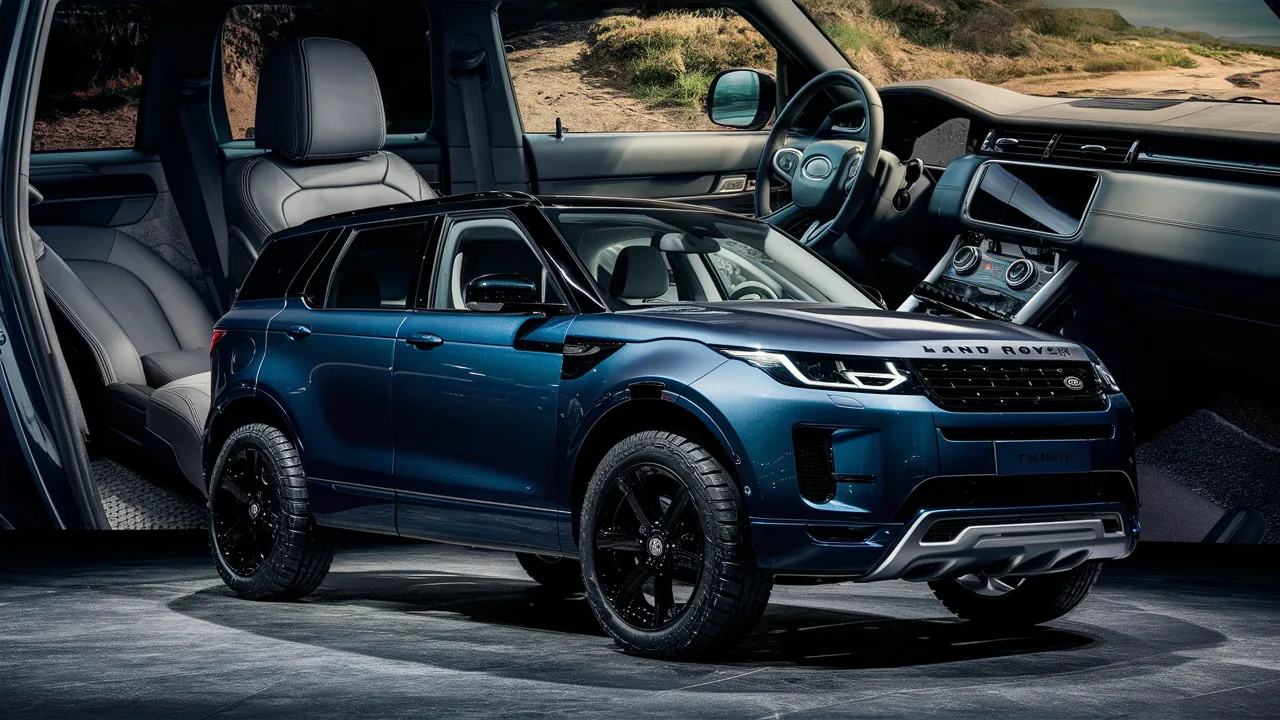
The Freelander 2 featured a modern and muscular SUV design that looked both premium and practical.
Exterior highlights:
- Bold front grille
- Large headlights
- Strong body lines
- Elevated ride height
- Short overhangs for off-road performance
Unlike many city-focused crossovers, the Freelander 2 looked capable of handling rough terrain—and it genuinely could.
Its design balanced sophistication with ruggedness, making it suitable for both urban streets and countryside adventures.
Interior Comfort and Cabin Quality
One of the biggest improvements over the first-generation Freelander was the interior.
Interior features:
- High-quality materials
- Comfortable seating
- Spacious cabin layout
- Large windows for visibility
- Premium dashboard design
The Freelander 2 offered a more refined atmosphere than many competitors at the time.
Comfort highlights:
- Excellent driving position
- Supportive seats for long journeys
- Good passenger space
- Quiet cabin at motorway speeds
It was designed to feel more like a luxury SUV than a traditional utility vehicle.
Engine Options and Performance
The Freelander 2 was available with several engine choices depending on the market.
Common engines included:
- 2.2-litre turbo diesel engines
- Petrol engine variants in some regions
The diesel engines became especially popular because of their balance between power and fuel economy.
Driving characteristics:
- Strong low-end torque
- Comfortable motorway cruising
- Smooth automatic transmission options
- Capable towing performance
Although not a sports SUV, the Freelander 2 delivered confident and stable performance in most driving conditions.
Genuine Off-Road Capability
Unlike many modern compact SUVs that focus mainly on city driving, the Freelander 2 retained true off-road capability.
Off-road features included:
- Permanent four-wheel drive
- Terrain Response system
- Hill descent control
- Excellent ground clearance
The Terrain Response system allowed drivers to select driving modes for different surfaces such as:
- Mud
- Snow
- Sand
- Gravel
This technology adjusted the vehicle’s settings automatically to improve traction and control.
As a result, the Freelander 2 became one of the most capable off-road vehicles in its class.
Driving Experience on the Road
While its off-road ability was impressive, the Freelander 2 also performed well on normal roads.
On-road strengths:
- Smooth suspension setup
- Comfortable ride quality
- Stable handling at high speeds
- Good visibility for drivers
Compared to earlier Land Rover models, the Freelander 2 felt more refined and easier to drive daily.
The steering was lighter and more responsive, making the SUV suitable for both urban commuting and long-distance travel.
Technology and Features
The Freelander 2 introduced more modern technology compared to its predecessor.
Key features included:
- Touchscreen infotainment systems in later models
- Bluetooth connectivity
- Climate control
- Premium audio systems
- Parking sensors and cameras
Higher trims offered additional luxury features that enhanced comfort and convenience.
Safety and Reliability
Safety was another area where the Freelander 2 improved significantly.
Safety features:
- Multiple airbags
- Electronic stability control
- Anti-lock braking system (ABS)
- Traction control systems
The SUV received strong safety ratings in crash testing, helping it appeal to family buyers.
Reliability reputation:
Compared to the original Freelander, the Freelander 2 was considered far more reliable. However, like many premium SUVs, maintenance costs could still be relatively high.
Common concerns sometimes included:
- Electronic system issues
- Suspension wear
- Diesel particulate filter problems in some models
Regular maintenance was important for long-term reliability.
Practicality and Everyday Use
The Freelander 2 was designed to be practical for everyday life.
Practical strengths:
- Spacious boot area
- Foldable rear seats
- Comfortable seating for five passengers
- Strong towing ability
It worked well for:
- Families
- Outdoor enthusiasts
- Long-distance travelers
- Drivers needing all-weather capability
Its combination of practicality and luxury helped it stand out from many competitors.
Competitors in the SUV Market
The Freelander 2 competed against several premium compact SUVs.
Main rivals included:
- BMW X3
- Audi Q5
- Volvo XC60
Compared to these rivals, the Freelander 2 was often praised for:
- Superior off-road capability
- Comfortable ride quality
- Strong diesel engine performance
However, competitors sometimes offered more advanced interior technology and lower running costs.
End of Production and Legacy
Production of the Freelander 2 ended in 2014, when it was replaced by the Land Rover Discovery Sport.
Despite this, the Freelander 2 remains highly respected because it:
- Greatly improved Land Rover reliability standards
- Combined luxury with real off-road ability
- Became one of Land Rover’s most successful compact SUVs
Many used examples are still on the road today, showing the vehicle’s long-lasting popularity.
Why the Freelander 2 Still Matters
Even years after production stopped, the Freelander 2 continues to attract buyers because of its balanced character.
Reasons for its lasting popularity:
- Comfortable daily driving
- Genuine off-road performance
- Premium SUV styling
- Practical interior space
- Strong road presence
It remains a strong option for drivers seeking an affordable used luxury SUV with authentic Land Rover capability.
Conclusion
The Land Rover Freelander 2 was a major step forward for Land Rover. By improving comfort, technology, refinement, and reliability while preserving legendary off-road ability, Land Rover created one of the most well-rounded compact SUVs of its era.