Medium Rare Steak: The Ultimate Guide to Perfect Juicy, Tender Beef
Medium rare steak is widely considered the gold standard of steak preparation among chefs, food enthusiasts, and steak lovers around the world. Known for its warm red center, tender texture, and rich natural juices, a medium rare steak delivers a balance of flavor and softness that other levels of doneness often fail to achieve. When cooked correctly, it enhances the natural taste of beef without drying it out, making it one of the most popular choices in both restaurants and home kitchens.
Cooking the perfect medium rare steak requires understanding temperature, timing, seasoning, and technique. While it may seem simple, achieving consistent results involves precision and attention to detail. Whether you are grilling outdoors, pan-searing in a skillet, or using an oven-finishing method, mastering medium rare steak can significantly improve your cooking skills and elevate your dining experience. This guide explains everything you need to know about medium rare steak, including temperature control, cooking methods, seasoning tips, and common mistakes to avoid.
What Is a Medium Rare Steak?
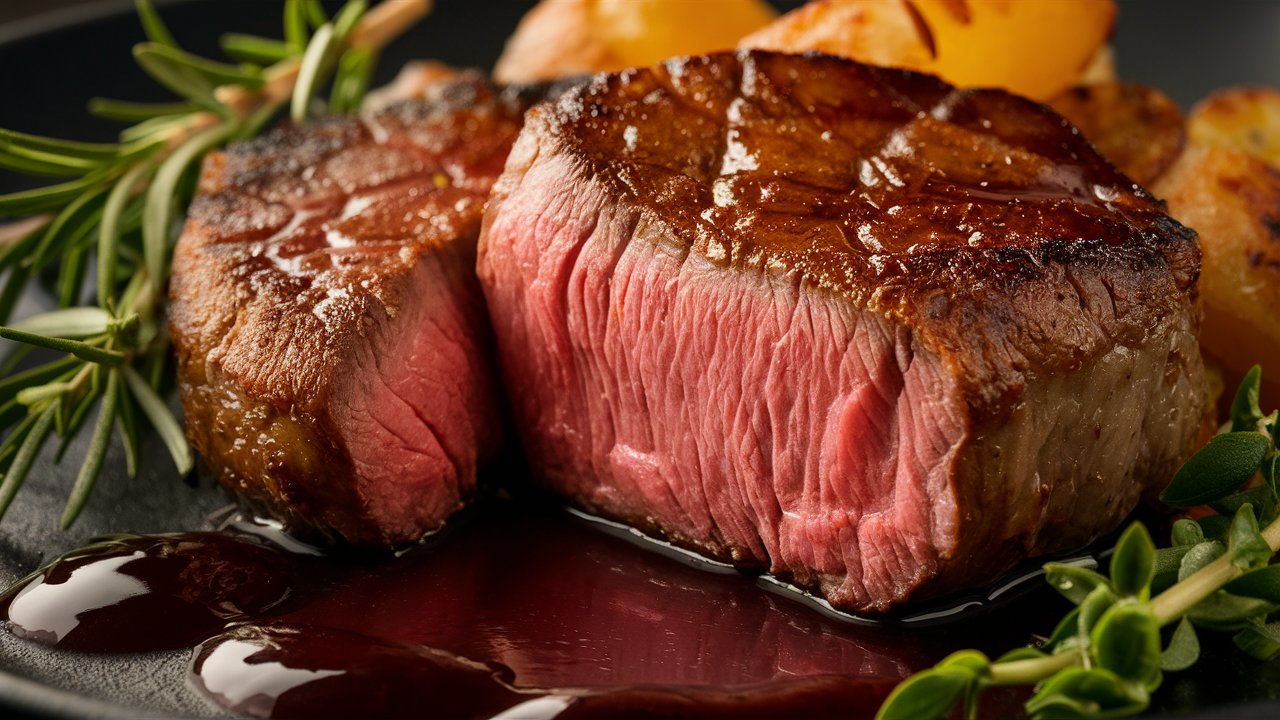
A medium rare steak is defined by its internal temperature and visual appearance. Typically, it is cooked to an internal temperature of around 54–57°C (130–135°F). At this stage, the steak has a warm red center that gradually transitions into a pink outer layer. The texture remains soft and juicy because the muscle fibers have not been overcooked, allowing the natural fats and juices to stay intact.
This level of doneness is preferred by many steak experts because it preserves the natural flavor of high-quality beef. Unlike well-done steaks, which often lose moisture and become tougher, medium rare steak maintains tenderness and a buttery texture. The balance of seared exterior and juicy interior creates a rich eating experience that highlights the quality of the meat itself.
Why Medium Rare Steak Is So Popular
The popularity of medium rare steak comes from its perfect balance between flavor, texture, and moisture. When beef is cooked to this level, the fat begins to melt slightly without fully rendering out, creating a juicy and flavorful bite. The outer crust, formed by high-heat cooking, adds a savory, caramelized layer that enhances taste through the Maillard reaction.
Another reason for its popularity is consistency in restaurant-quality cooking. Many professional chefs recommend medium rare because it ensures the meat remains tender while still being safe to eat when properly handled. This doneness level also highlights the natural quality of premium cuts like ribeye, sirloin, and filet mignon.
Choosing the Right Cut of Steak
Not all steaks are equal when it comes to cooking medium rare. Certain cuts perform better due to their fat content and texture. Ribeye is one of the most popular choices because of its marbling, which melts during cooking and enhances flavor. Sirloin is leaner but still provides a strong beef taste when cooked properly. Filet mignon is extremely tender and is often chosen for its soft texture, even though it has less fat.
Choosing high-quality meat is essential for achieving the best results. Freshness, marbling, and thickness all affect how the steak cooks and how juicy it remains at medium rare doneness. A thicker cut is often easier to control during cooking because it reduces the risk of overcooking the center.
Medium Rare Steak Temperature Guide
Temperature control is the most important factor in cooking medium rare steak. Using a meat thermometer ensures accuracy and prevents overcooking. The ideal internal temperature range is:
A perfectly cooked medium rare steak should rest for a few minutes after cooking, allowing the juices to redistribute evenly throughout the meat. This resting process improves texture and enhances flavor.
Cooking Methods for Medium Rare Steak
There are several methods to cook a medium rare steak, and each offers slightly different results.
One of the most popular methods is pan-searing. This involves heating a cast iron skillet until very hot, adding a small amount of oil, and searing the steak on each side until a brown crust forms. The steak can then be finished in the oven if needed to reach the desired internal temperature.
Grilling is another common method, especially for outdoor cooking. A grill provides high, direct heat that creates a smoky flavor and attractive grill marks. The steak should be flipped only once or twice to maintain juiciness.
Sous vide cooking is a more modern technique that involves sealing the steak in a vacuum bag and cooking it in temperature-controlled water. This method guarantees precise doneness and is often finished with a quick sear for texture.
Each method has its advantages, but all can produce excellent medium rare steak when done correctly.
Seasoning and Preparation Tips
Proper seasoning is essential for enhancing the natural flavor of steak. Simple seasoning with salt and pepper is often enough for high-quality cuts. Salt helps draw out moisture, which then reabsorbs into the meat, enhancing flavor. Pepper adds a mild heat and aromatic depth.
It is recommended to season the steak at least 30–60 minutes before cooking or immediately before placing it on heat, depending on preference. Allowing the steak to reach room temperature before cooking helps it cook more evenly.
Oil with a high smoke point, such as canola or avocado oil, is ideal for searing. Butter can also be added toward the end of cooking to enhance richness and flavor.
Common Mistakes to Avoid
One of the most common mistakes when cooking medium rare steak is overcooking. Even a small increase in temperature can shift the steak from medium rare to medium or well done, changing its texture significantly.
Another mistake is not letting the steak rest after cooking. Cutting into the steak immediately causes juices to escape, resulting in dryness. Resting for at least five minutes is essential for optimal results.
Using low heat is also a frequent error. A proper sear requires high heat to develop flavor and texture. Without it, the steak may taste bland and lack the signature crust.
Health and Safety Considerations
When cooking medium rare steak, food safety is important. Using fresh, high-quality meat and proper handling techniques reduces risks. Whole cuts of beef are generally safe when cooked properly because bacteria typically remain on the surface, which is killed during searing.
It is important to store meat at proper refrigeration temperatures and avoid cross-contamination in the kitchen.
Conclusion
Medium rare steak remains one of the most popular and highly recommended ways to enjoy beef due to its perfect balance of flavor, tenderness, and juiciness. Achieving the ideal result requires attention to temperature, cooking technique, and resting time, but the outcome is well worth the effort. Whether pan-seared, grilled, or prepared using modern cooking methods, a properly cooked medium rare steak delivers a restaurant-quality experience at home.
By understanding the science behind cooking temperatures and applying proper seasoning and preparation techniques, anyone can master the art of cooking medium rare steak. This level of doneness continues to be the preferred choice for steak lovers worldwide and remains a benchmark for culinary excellence.
Frequently Asked Questions (FAQ)
What temperature is a medium rare steak?
A medium rare steak is typically cooked to 54–57°C (130–135°F).
Is medium rare steak safe to eat?
Yes, when properly handled and cooked, it is generally safe because the surface bacteria are destroyed during cooking.
What is the best cut for medium rare steak?
Ribeye, sirloin, and filet mignon are popular choices due to their tenderness and flavor.
Why is medium rare steak so popular?
It offers the best balance of juiciness, tenderness, and natural beef flavor.
How long should steak rest after cooking?
At least 5 minutes to allow juices to redistribute evenly.