Story Swing: A Complete Guide to Creative Storytelling and Fun
Story Swing: Exploring Creative Storytelling, Ideas and Experiences
Stories have always been one of the strongest ways humans share emotions, memories, lessons, and imagination. From childhood bedtime tales to modern digital content, storytelling continues to connect people across different backgrounds. Story Swing represents the idea of creating movement in storytelling, where ideas flow naturally, emotions change, and every moment brings something new to the audience.
In a world filled with fast information and short attention spans, meaningful stories help people slow down and connect. A powerful story can inspire creativity, encourage learning, and create unforgettable experiences. Story Swing combines imagination and narrative movement to make storytelling more engaging, interactive, and enjoyable.
This complete guide explains the meaning of Story Swing, how it works, why storytelling matters, creative techniques, benefits, and how writers, creators, educators, and audiences can use storytelling principles to create stronger connections.
What Is Story Swing and Why Does It Matter?
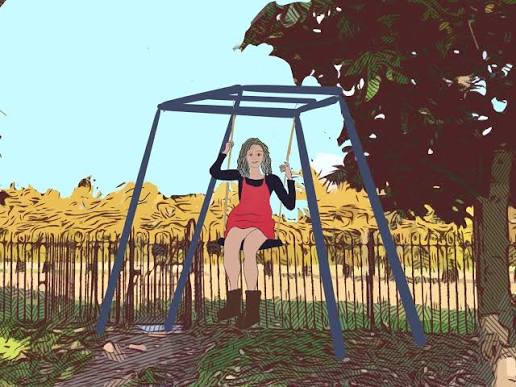
Story Swing is a creative storytelling idea that focuses on the movement and rhythm of a story. Like a swing moving forward and backward, stories often shift between different emotions, moments, perspectives, and ideas.
A good story does not remain at one emotional level. It creates movement through:
- Excitement and calm moments
- Challenges and solutions
- Questions and discoveries
- Conflict and resolution
- Imagination and reality
This movement keeps audiences interested and encourages them to continue following the story.
Story Swing can describe different storytelling approaches where creators focus on emotional balance and narrative flow. Whether used in books, videos, education, marketing, or personal storytelling, the concept helps make stories more memorable.
The importance of Story Swing comes from its ability to transform simple information into an experience. People often remember stories better than facts because stories create emotional connections.
The Power of Storytelling in Modern Communication
Storytelling plays a major role in how people communicate today. Businesses, educators, creators, and individuals all use stories to share ideas more effectively.
A strong story can:
- Explain complex topics
- Build emotional connections
- Encourage action
- Create trust
- Inspire creativity
Modern audiences receive thousands of messages every day. A simple statement may be forgotten quickly, but a meaningful story can remain in someone’s memory for years.
This is why many successful brands and creators focus on storytelling instead of only sharing information. They understand that people connect with experiences, emotions, and human moments.
Story Swing highlights the importance of keeping stories dynamic. A story that changes pace and emotion creates curiosity and keeps audiences engaged.
How Story Swing Creates Better Stories
Creating an engaging story requires more than having a beginning, middle, and end. The emotional journey matters just as much as the events.
Story Swing focuses on several important storytelling elements.
Emotional Movement
Great stories create emotional changes. A character may experience happiness, difficulty, surprise, fear, hope, or success.
These emotional shifts make stories feel realistic and relatable.
Strong Characters
Characters give stories life. Readers and viewers connect with characters who have goals, challenges, and personal growth.
A strong character usually has:
- A clear purpose
- Personal challenges
- Unique personality
- Meaningful development
Natural Story Flow
A story should feel smooth rather than forced. Good pacing helps audiences understand what is happening while maintaining interest.
Story Swing encourages creators to balance action with reflection, excitement with calm, and questions with answers.
Benefits of Using Story Swing Techniques
Storytelling techniques based on movement and emotional balance provide several advantages.
Improves Audience Engagement
People stay connected when a story creates curiosity and emotional interest.
A well-developed story encourages audiences to ask:
- What happens next?
- How will the problem be solved?
- What will the character learn?
These questions keep people involved.
Makes Information Easier to Remember
Stories help people remember information because they connect ideas with emotions and experiences.
For example, a lesson explained through a story may become more memorable than a simple list of facts.
Encourages Creativity
Story Swing helps creators think beyond traditional storytelling patterns.
It encourages exploration of:
- Different viewpoints
- Creative structures
- Unique characters
- Fresh ideas
Builds Stronger Connections
Stories create shared experiences between creators and audiences.
A meaningful story can help people feel understood and connected.
Story Swing in Books, Films and Digital Content
Storytelling appears in many forms, and Story Swing principles can be applied across different creative platforms.
Books and Novels
Authors use emotional movement to guide readers through a character’s journey.
A successful novel often includes:
- Interesting characters
- Unexpected moments
- Emotional development
- Strong conclusions
Movies and Television
Visual storytelling depends heavily on pacing and emotional changes.
Directors create memorable experiences by balancing:
- Action scenes
- Quiet moments
- Character conversations
- Emotional turning points
Online Content
Digital creators use storytelling to attract and retain audiences.
Examples include:
- YouTube videos
- Social media posts
- Podcasts
- Blogs
- Brand campaigns
Online audiences respond well to authentic stories that feel personal and meaningful.
How Writers Can Create a Strong Story Swing
Writers can improve their storytelling by focusing on structure, emotion, and audience connection.
Here are practical steps:
Start With a Strong Idea
Every story needs a central concept. A clear idea helps guide the direction of the narrative.
Ask:
- What message should the story share?
- Who is the audience?
- Why does this story matter?
Create Emotional Changes
Avoid keeping the same emotional tone throughout the entire story.
Add moments of:
- Discovery
- Challenge
- Growth
- Surprise
- Reflection
Build Meaningful Conflict
Conflict creates movement. It does not always mean a major fight. Conflict can involve personal struggles, difficult decisions, or unexpected challenges.
End With Purpose
A strong ending gives the audience a sense of completion.
The conclusion should connect back to the main idea and show how the journey changed the characters or situation.
Story Swing and the Future of Creative Content
The future of content creation will continue to depend on strong storytelling. As technology changes, audiences will still value stories that create emotional connections.
New technologies such as artificial intelligence, interactive media, and virtual experiences are changing how stories are created and shared.
However, the foundation remains the same:
- Human emotions
- Meaningful ideas
- Relatable experiences
- Creative expression
Story Swing represents an approach that keeps storytelling active and engaging. It reminds creators that stories are not just collections of events. They are journeys that move audiences emotionally.
As digital platforms continue growing, storytelling skills will become even more valuable for creators, businesses, and educators.
Frequently Asked Questions About Story Swing
What is Story Swing?
Story Swing is a storytelling concept focused on creating movement, emotional changes, and engaging narrative experiences.
Why is storytelling important?
Storytelling helps people understand ideas, remember information, and build emotional connections.
How can Story Swing improve writing?
Story Swing improves writing by encouraging better pacing, stronger emotions, and more engaging character development.
Can Story Swing be used in marketing?
Yes. Businesses can use storytelling techniques to create stronger brand connections and communicate messages effectively.
Is Story Swing only for professional writers?
No. Anyone can use storytelling principles for personal stories, education, communication, or creative projects.
What makes a story memorable?
Memorable stories usually include emotional connection, relatable characters, meaningful ideas, and strong narrative flow.
Final Thoughts on Story Swing
Story Swing represents the movement and emotional rhythm that make stories powerful. Great storytelling is not only about sharing information. It is about creating experiences that people can understand, remember, and feel connected to.
Whether you are writing a book, creating digital content, teaching a lesson, or sharing a personal experience, storytelling techniques can help your message become more effective.
The strongest stories create balance. They move between emotions, introduce challenges, provide discoveries, and leave audiences with something meaningful to remember.
In a world where attention is limited, stories remain one of the most powerful tools for communication. By understanding the principles behind Story Swing, creators can build narratives that inspire curiosity, encourage imagination, and create lasting connections.