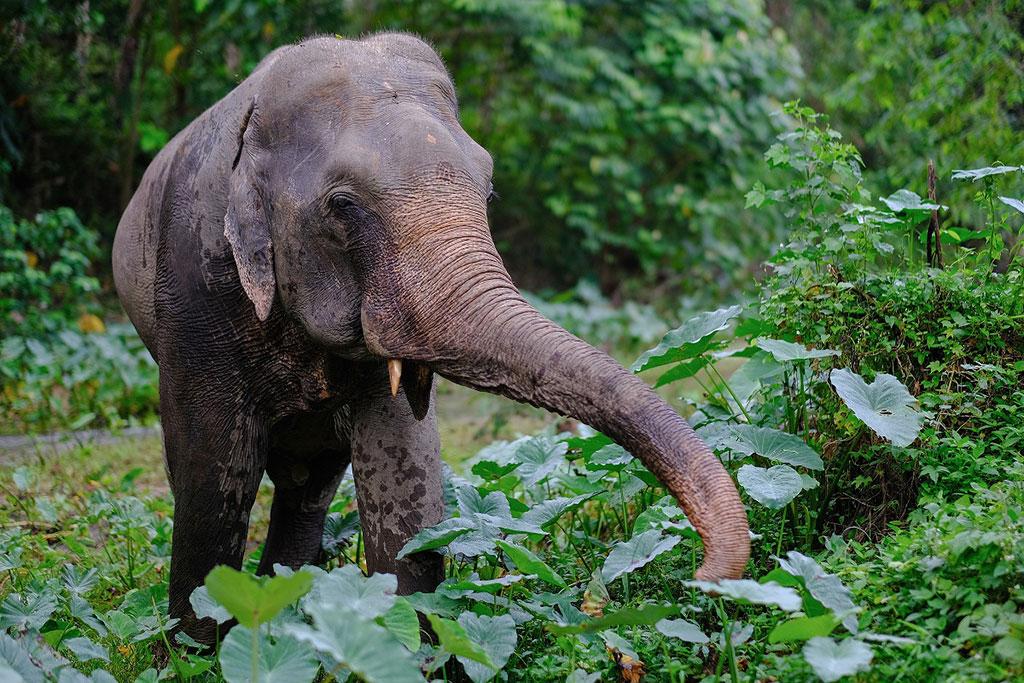
Elephant: Complete Guide to the World’s Largest Land Animal
In modern wildlife science, elephants are not only studied for their physical characteristics but also for their advanced communication skills, emotional intelligence, and environmental importance. Despite their iconic status, elephant populations face serious threats from habitat loss and poaching, making conservation efforts more important than ever. Understanding elephants helps us appreciate not only their beauty but also their essential role in preserving biodiversity.
What Is an Elephant?
Elephants are large mammals belonging to the family Elephantidae. Today, there are two main species: the African elephant and the Asian elephant. The African elephant is generally larger, with bigger ears shaped like the African continent, while the Asian elephant is slightly smaller with rounded ears.
Elephants are known for their long trunks, which are actually a fusion of the nose and upper lip. This trunk is one of the most versatile tools in the animal kingdom, used for breathing, smelling, drinking water, grabbing food, and even communicating. Their tusks, which are elongated incisor teeth, are used for digging, stripping bark from trees, and defense.
Their massive body size, thick skin, and strong legs make them well-adapted to survive in diverse environments, from savannas to forests.
Elephant Habitat and Distribution
Elephants are primarily found in Africa and Asia, each adapted to different environments.
African elephants live in savannas, grasslands, and forests across sub-Saharan Africa. These open landscapes allow them to travel long distances in search of food and water.
Asian elephants are found in forested regions of India, Sri Lanka, Thailand, and parts of Southeast Asia. These environments provide dense vegetation and cooler shade.
Elephants require large territories because they consume significant amounts of food and water daily. A single adult elephant can eat hundreds of kilograms of vegetation in a day, which influences how ecosystems are shaped around their movement.
Elephant Diet and Feeding Habits
Elephants are herbivores, meaning they eat only plant-based food. Their diet includes grass, leaves, fruits, bark, and roots. Because of their size, they must eat large quantities of food every day to maintain their energy levels.
Their feeding behavior plays a vital role in shaping the environment. By stripping trees and clearing vegetation, elephants help maintain open grasslands and create pathways for other animals. They are often called “ecosystem engineers” because their feeding habits directly influence the structure of natural habitats.
Water is equally important for elephants. They drink large amounts daily and often travel long distances to find reliable water sources.
Elephant Intelligence and Communication
Elephants are widely recognized as one of the most intelligent animals on the planet. Their brain is highly developed, allowing them to display behaviors such as problem-solving, memory recall, empathy, and even mourning their dead.
Elephants communicate using a combination of vocal sounds, body language, and low-frequency vibrations called infrasound. These sounds can travel long distances, allowing herds to stay in contact even when separated by kilometers of terrain.
They also show strong emotional bonds within their herds. Family groups are usually led by the oldest female, known as the matriarch, who guides the herd using her experience and memory of migration routes and water sources.
Social Structure and Behavior
Elephants live in highly organized social groups. Female elephants typically stay within their natal herd for life, while males leave the group as they mature.
The herd structure is based on cooperation, protection, and shared survival. Younger elephants learn from older members through observation and interaction. This strong social system ensures the survival of the group in challenging environments.
Male elephants often live alone or in small bachelor groups. During mating season, they may temporarily join female herds.
Elephant Lifespan and Reproduction
Elephants have long lifespans, often living up to 60–70 years in the wild. Their slow reproductive rate is one reason conservation is so important.
Female elephants have a long gestation period of about 22 months, one of the longest in the animal kingdom. Typically, they give birth to a single calf, which is cared for not only by the mother but also by the entire herd.
This strong cooperative parenting system increases the survival chances of young elephants.
Threats to Elephant Populations
Despite their strength and size, elephants face significant threats in the modern world. Habitat destruction due to agriculture, urban expansion, and deforestation has reduced their natural living space.
Poaching is another major threat, especially for ivory tusks. Illegal wildlife trade has caused a dramatic decline in elephant populations in some regions.
Human-elephant conflict is also increasing as elephants move into agricultural areas in search of food, leading to damage and conflict with local communities.
Conservation Efforts
Conservation organizations around the world are working to protect elephant populations through anti-poaching laws, habitat preservation, and wildlife sanctuaries.
National parks and protected reserves play a crucial role in providing safe environments for elephants to live and migrate freely. Education and awareness programs also help reduce illegal wildlife trade and promote coexistence between humans and elephants.
International bans on ivory trade have been implemented to protect elephant populations, although enforcement remains a challenge in some areas.
Importance of Elephants in Ecosystems
Elephants play a critical role in maintaining ecological balance. Their movement helps disperse seeds across large areas, contributing to forest regeneration. By clearing vegetation, they create pathways for other animals and maintain biodiversity.
Without elephants, many ecosystems would become overgrown and lose their natural structure. This makes them a keystone species—an animal that has a disproportionately large impact on its environment.
Conclusion
Elephants are extraordinary creatures that combine intelligence, emotional depth, and ecological importance. As the largest land animals on Earth, they play a vital role in shaping natural environments and supporting biodiversity. Their complex social structures, strong family bonds, and impressive memory make them one of the most admired species in the animal kingdom.
However, elephants face serious challenges due to human activity, making conservation efforts essential for their survival. Protecting elephants means protecting entire ecosystems and ensuring the balance of nature is preserved for future generations.
Understanding elephants is not only about learning facts—it is about recognizing their importance in the natural world and taking responsibility for their protection.
Frequently Asked Questions (FAQ)
What is the largest type of elephant?
The African elephant is the largest land animal in the world.
What do elephants eat?
Elephants are herbivores and eat grass, leaves, bark, fruits, and roots.
How long do elephants live?
Elephants can live up to 60–70 years in the wild.
Are elephants intelligent?
Yes, elephants are highly intelligent and show memory, empathy, and problem-solving skills.
Why are elephants endangered?
They are threatened by habitat loss, poaching, and human-wildlife conflict.